
Research information management (RIM) is defined by the independent bodies OCLC Research and euroCRIS as “the aggregation, curation, and utilization of information and research”.
RIM Systems – also known as Current Research Information Systems (CRIS), or sometimes as Faculty Information Systems (FIS) or Expert Finder Systems (EFS) – are playing an increasingly critical role in supporting institutional and organizational processes, including:
| Centralised collection and curation of research outputs, including publications, leadership & teaching activities, streaming media, and linked relationships with other collaborators and institutions. Showcasing public profiles for all researchers, faculty, equipment and services across an organization. |
| Reporting, insight and trend tracking across research metrics (such as citations and bibliometrics), as well as progress toward wider strategic goals (such as the UN Sustainable Development Goals). Enablement and support of Open Access workflows. |
| Streamlined workflows for assessment exercises, including Faculty Annual Reviews, the Research Excellence Framework (REF) in the UK, and the Performance Based Research Fund (PBRF) in New Zealand. Measurement and proof of the wider societal impact of research carried out, and where and how funding is used. |
| Joined-up, automated integration with external academic content repositories such as Figshare, DSpace and EPrints. Promotion of funding opportunities to research communities and support in managing the research funding application lifecycle. |
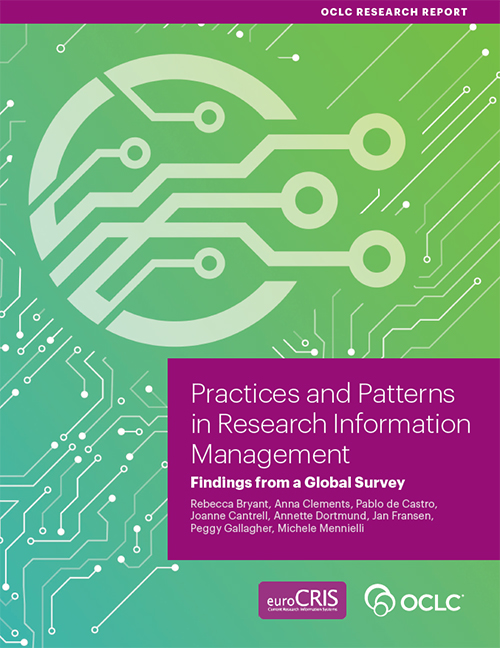

“Respondents were asked to indicate their level of satisfaction with their current RIM system, with options ranging from very satisfied to not at all satisfied… Elements from Symplectic has the highest satisfaction rate at 91%.”
We are here to help you in your search for the best solution.
Research Management using Symplectic Elements
The development of robust research management workflows is a challenge for institutions looking to streamline their processes and promote innovation. Add to that government mandates and disparate internal systems and the process becomes daunting at best.
At Symplectic, we understand the importance of bringing efficiencies to your institution’s research management workflows and the advantage of consolidating your data to a centralised platform. Symplectic Elements supports institutions in their efforts to streamline the research management process and lessen the administrative burden from your researchers, faculty and staff.

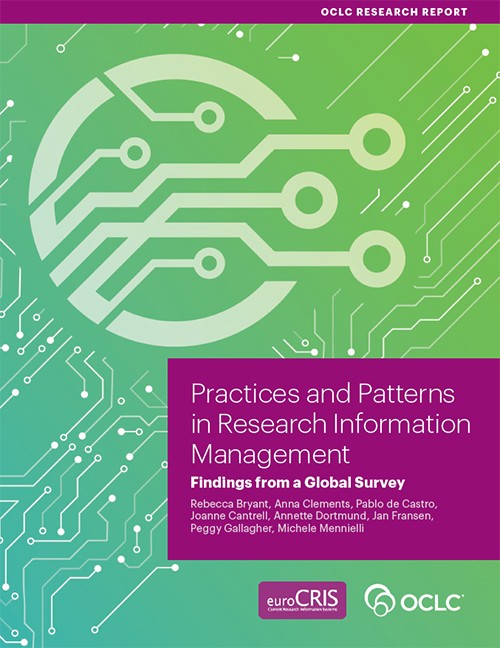
Practices and patterns in research information management
In order to examine how research institutions worldwide are applying research information management (RIM) practices, OCLC Research partnered with euroCRIS to conduct a web-based survey…yielding 381 responses from 44 countries, demonstrating the global nature of research information management activities.
The report details the complexity of RIM practices and examines how commercial and open-source platforms are becoming widely implemented across regions, coexisting with a large number of region-specific solutions as well as locally developed systems. It also considers the urgent need for system-to-system interoperability—with both internal and external systems—and demonstrates how the use of identifiers, standards, and protocols are perceived as most valuable when they can also facilitate interoperability.
Here are a few questions
you should be asking of your research information management system:
1. How is my data collected and organized?
This is key to a research information system that will fully unlock the potential of the valuable data it contains. Symplectic Elements is centered around continuous, automated capture of research output data from multiple internal and external sources. In fact, Symplectic Elements offers the widest range of automated data source integration in the industry.
2. Does the system support Open Access?
The push to make research open to the public is a leading trend across the research landscape. Symplectic Elements’ world leading repository integrations can help you support and streamline your open access workflows. The system provides an efficient method for faculty to deposit their research into your institution’s public repository as well as creating a centralized hub for monitoring open access engagement and compliance.
3. Can the system help increase our institution’s profile in the research community?
Promoting your internal expertise and collaborations is a crucial part of managing institutional research information. Symplectic Elements provides a web-based public profiling tool called the Discovery Module, which allows institutions to effortlessly showcase researcher expertise, facilities, and equipment through a modern, straightforward interface.
4. How does the platform support REF preparations and submission?
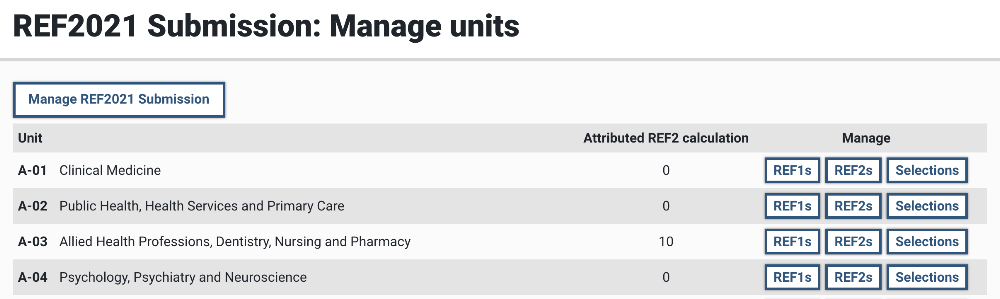
Symplectic Elements offers specialist support to capture REF-related metadata, and is updated to support each REF cycle. Out-of-the-box stock REF reports enable you to report on all REF content and fields for each item, including validation status, and stock REF screens and dashboards enable managers to get a clear submission overview. Symplectic Elements easily supports multiple preparatory exercises, enabling both researchers and reviewers to engage directly with the selection and review of outputs in-system. Submission functionality is configurable to enable you to tailor your interaction with the REF submission system to align with your management processes. The same flexible assessment tool allows for a wide range of review workflows in addition to REF.
5. Does the platform support Faculty Annual Reports?
By maximizing data reuse, Symplectic Elements minimizes the time that faculty members spend completing annual reviews, allowing them to select data already included in the system. Where Symplectic Elements already knows key information about the individual such as their rank or position, it will not ask the faculty member to supply this information; instead these important data points will be added automatically to every submission.
6. Does the system support my research funding workflows?
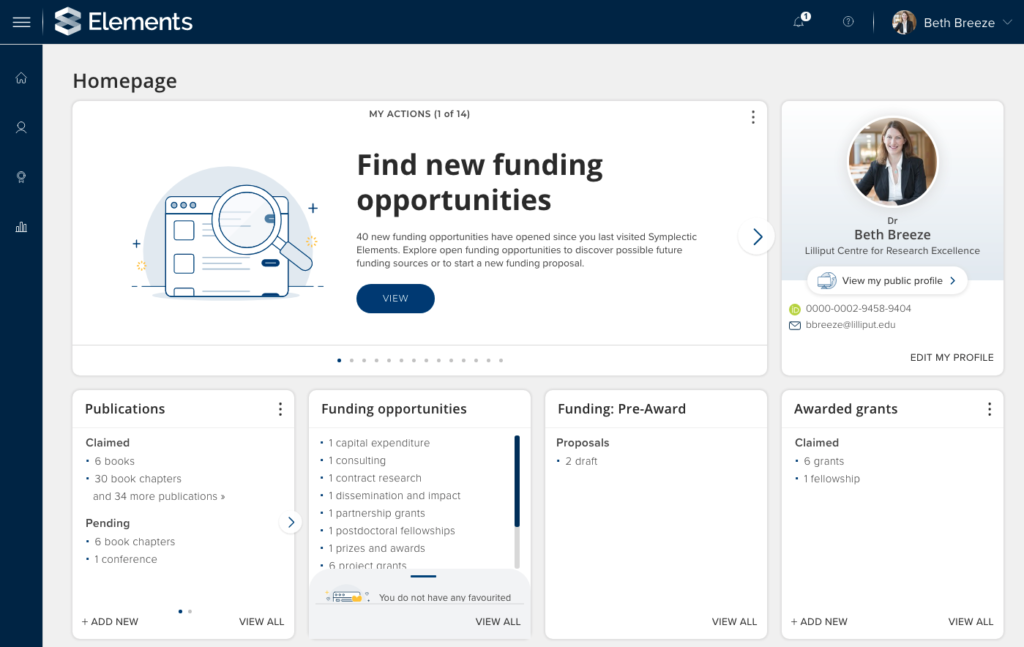
Symplectic Elements is designed to manage the full funding lifecycle: helping universities promote relevant funding opportunities, supporting researchers during the proposal development phase, streamlining internal reviews and approvals, and managing post-award activities and reporting.
7. Does the system protect the data privacy of users and the organisation?
Symplectic Elements incorporates powerful, flexible privacy settings designed to allow full control over information by administrators or by faculty and researchers using the system, allowing for item-by-item control of information held within the platform.
Discover Symplectic
Learn more about our products and request a free, no-obligation demo.